
How do you keep the spark alive in a marriage?
The early days of a relationship are often filled with excitement, discovery, and a palpable energy. But as a marriage settles into the comfortable rhythm of daily life—managing work, home, and perhaps children—that initial 'spark' can feel like a distant memory. This is a common experience for couples in India and around the world. The good news is that the connection doesn't have to fade. Nurturing a marriage is an active process, and with intention and effort, you can cultivate a deep, lasting bond that is even more meaningful than the initial infatuation.
Beyond 'How Was Your Day?': Deepening Your Conversations
As life gets busier, conversations can become purely logistical: who is picking up the groceries, what bills need to be paid, what time is the parent-teacher meeting? While these are necessary, they don't nurture emotional intimacy. To reconnect, you have to make space for conversations that go deeper.
Set aside a small amount of time each day—even just 15 minutes—where you put your phones away, turn off the TV, and truly listen to each other. Ask open-ended questions that go beyond a simple 'yes' or 'no'. Instead of just asking about work, try asking, "What was the most interesting or frustrating thing that happened to you today?" Share your own vulnerabilities, dreams, and small victories. This practice of active, intentional communication rebuilds the foundation of friendship that all strong marriages are built on.
Creating New Memories, Not Just Reliving Old Ones
Nostalgia is a wonderful thing, and remembering the 'good old days' can bring a smile to your face. However, a relationship that only looks backwards can feel stagnant. The key to keeping a partnership dynamic is to continue building a shared life by creating new experiences together.
This doesn't have to mean expensive holidays. It can be as simple as trying a new restaurant in your city, taking a weekend cooking class, starting a small garden on your balcony, or even just committing to a weekly walk in a nearby park. The goal is to break out of routine and see each other in a new light. Shared challenges and novel experiences create powerful bonds and give you new things to talk about and look forward to, building a future instead of just treasuring the past.
The Power of Small Gestures and Physical Affection
Grand romantic gestures are lovely, but the day-to-day health of a marriage often relies on small, consistent acts of kindness and affection. The 'spark' is often found not in a single firework but in the steady warmth of a hearth.
Make a conscious effort to show appreciation. A simple "thank you for making the tea" or "I really appreciate you handling that difficult phone call" can make your partner feel seen and valued. Reintroduce non-sexual physical touch into your daily routine. A hug before leaving for work, holding hands while watching a movie, or a comforting hand on the shoulder can do wonders for maintaining a sense of closeness and connection. These small moments accumulate, creating a powerful undercurrent of love and security in the relationship.
Recognizing When a Rut Becomes a Deeper Problem
Sometimes, a lack of connection is a symptom of deeper, unresolved issues. If your attempts to reconnect are met with constant criticism, defensiveness, or what feels like a complete emotional shutdown (stonewalling), the problem may be more than just a temporary 'rut.' Persistent resentment, frequent arguments that go in circles, or a feeling of deep loneliness within the marriage are signs that you may need support to break the negative cycle.
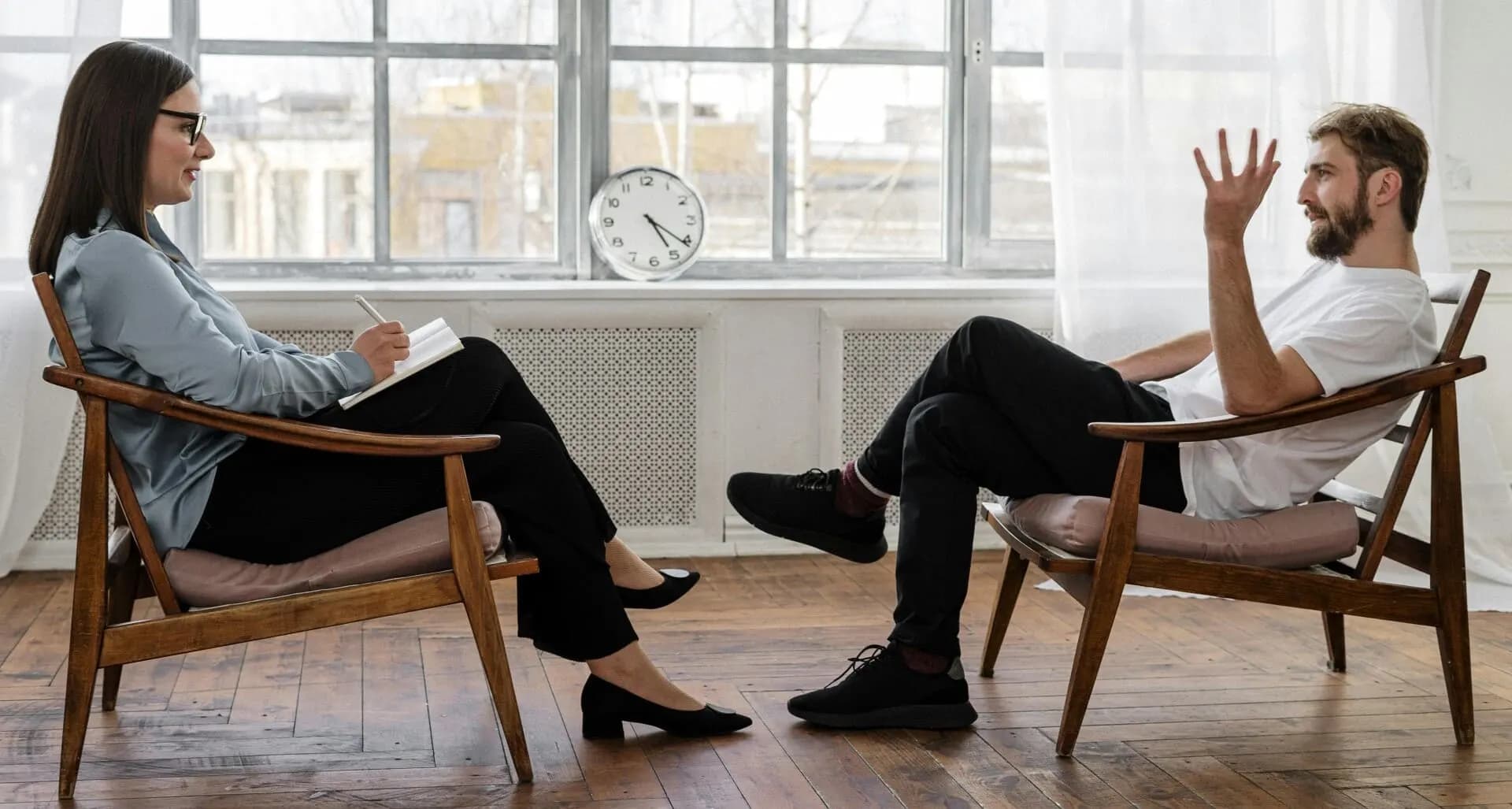
A counsellor can provide a neutral, structured space to help you both communicate more effectively and understand the root causes of the distance between you. They can equip you with tools to navigate conflict and rebuild trust.
Disclaimer: If you are in a relationship where conflict involves emotional abuse, threats, or any form of physical violence, your safety is the first priority. DilTalks is not a crisis intervention service. Please contact your local emergency services (112) or a domestic violence helpline for immediate assistance.
Frequently Asked Questions
Is it normal for the 'spark' to fade in a long-term marriage? Yes, it's completely normal. The intense, passionate love (often called limerence) of the early stages naturally evolves. A successful long-term marriage transitions this into a deep, compassionate, and companionate love. The 'spark' changes from a firework display to a steady, warm flame that requires consistent effort to maintain.
What if my partner isn't interested in trying to reconnect? This can be very difficult and disheartening. You cannot force your partner to change, but you can control your own actions. Start by expressing your feelings using "I" statements, such as, "I feel lonely and miss connecting with you," rather than blaming statements like, "You never talk to me anymore." Suggesting relationship counselling can be a good step, framing it as a neutral space for you both to learn better ways to communicate.
Can we ever get the 'honeymoon phase' back? While you can't rewind time to the very beginning, you can absolutely create new phases of excitement, discovery, and passion. By trying new things together, improving communication, and making intimacy a priority, you can build a connection that is different but just as—if not more—fulfilling than the honeymoon phase because it's built on a deeper foundation of shared history and understanding.
Every marriage goes through seasons. Some are full of effortless joy, while others require more conscious work. The key is to remember that you are a team. If you feel like the distance has grown too wide to bridge on your own, seeking professional guidance is a sign of strength, not failure. A counsellor can help you find your way back to each other.
Ready to work on your connection? Our experienced counsellors at DilTalks are here to help you navigate the challenges and rediscover the joy in your partnership. Learn more about our private, affordable online sessions at our marriage counselling page.
